The Sample Hail Exam (Practice Quiz)

 
QUIZ START

Results

Congratulations! You have passed!

Sorry you did not reach the passing grade, please try again.

#1. 70. An alternative to counting the actual stern and pod loss on canola is the “point” or plant assessment” method. This method:

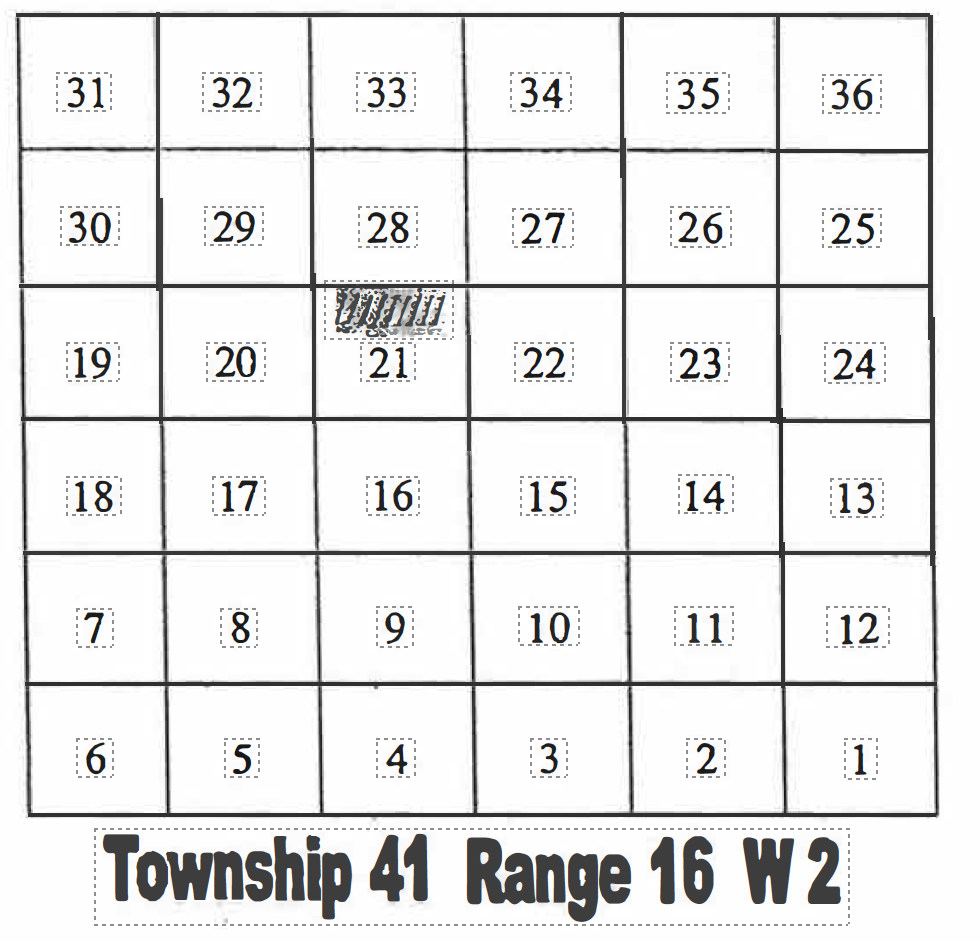
#2. One section of land is:

#3. In a mustard crop, you adjust breaks/pods on and off total percentage to be 32%. You then take 20 pods and count 160 total seeds with 16 seeds destroyed. The total percentage of loss to be paid is:

#4. If a farmer disputes an assessment the adjuster should

#5. When do you pay for high hangers in the swath:

#6. In preparation for an adjustment

#7. Any information received from an insured during the course of an inspection should be:

#8. The “cut line” is defined as:

#9. On a township map what section is immediately north (N.) of section 33:

#10. lf an adjuster from another company has paid a higher award the adjuster should

#11. Generally a township is:

#12. One method of distinguishing hail loss from wind damage in cereals is

#13. If a cereal crop is hit in the sheath (boot):

#14. If canola receives hail in the rosette (cabbage) stage, such that 100% of the leaf material is destroyed.the resulting yield loss will be:

#15. The minimum number of counts according to the adjusting manual is:

#16. A canola crop receives hail in June and the adjuster pays 20% of loss on this storm. The same crop suffers a second storm in the swath and the adjuster counts 40%shatter loss. The total award from both storms is:

#17. The standard stages of crop growth should be understood and used by all adjusters. If sixty percent of the crop is in the boot stage and forty percent just headed, you would use the term:

#18. Shatter loss to a cereal crop cannot take place when the crop is:

#19. A good adjuster will always:

#20. If the adjuster is finding highly variable damage:

#21. Where the actual acreage of the crop insured under any item of the policy is found to be significantly less than the acreage mentioned in the application under such item, the insurer shall:

#22. Using the plant assessment method (point system), an adjuster examined 50 canola plants. Thirty-five (35) plants had no damage. The loss on each of the 15 remaining plants is as follows

#23. When counting hail loss on cereals:

#24. The most important qualities an adjuster must display are:

#25. The process of counting a hail loss:

#26. What is the legal Description of the shaded area below

#27. All Hail Adjuster Only licences shall continue in force indefinitely, unless suspended or cancelled, and shall have a common reporting date known as the “Annual Reporting Date”. The Annual Reporting Date is:

#28. A wheat crop is hailed in the soft dough stage. It is adjusted when fully ripe. The high hangers, which contain seeds

#29. Which of the following is not a condition caused by hail:

#30. The term “township” refers to a parcel of land whose boundaries are called range and township lines. Townships generally are:

#31. The average insured probably has not read the insurance policy. Therefore, the adjuster:

#32. When a crop is in the swath and it receives hail most of the damage will occur:

#33. Upon meeting adjusters from other companies in the field or in the motel you should:

#34. When assessing hail damage prior to the seed bearing stage of any crop, if the damage cannot be accurately determined the adjuster should:

#35. If a flax plant has one main stem and two secondary stems

#36. If a producer must harvest a swathed field prior to the hail inspection, the required evidence for an 80acre field is

#37. In the event of a disagreement at any point during the adjustment of the loss

#38. An adjuster is working a claim with an insured who knows you were out the day before, with his neighbour, adjusting the adjacent field. He asks the adjuster, “What did my neighbour get paid?” The adjuster should

#39. When adjusting a hail loss you are faced with the task of applying the loss to the residue.• Residue:

#40. If a wheat crop is severely damaged at the early flag leaf stage

#41. An applicant is entitled to attempt the Hail Adjusters Licensing Examination how many times in a six month period.

#42. The lack of a seedpod on canola

#43. A hail claim has gone to appraisal and an umpire has been appointed. It is the role of the umpire to:

#44. A claim is filed on spring wheat and you are sent out to adjust the loss approximately two weeks. Later. Given the following information, determine which percentage most closely approximates the expected loss: Storm Date August 15th; Hard dough stage at time of storm; 18 low breaks from hail; 6 high breaks from hail; 20 kernels missing in ten heads(Average head size is 30 kernels per head)

#45. One of the best ways to convince a farmer of the accuracy of your adjustment is:

#46. A field is adjusted for damage sustained during a hail storm and the counts on one half of the field are 91 % and higher, you:

#47. The weather conditions following an early hail storm:

#48. The condition known as oat blast:

#49. If a hailed plant is subsequently affected by disease:

#50. When counting a loss it is absolutely vital for the adjuster to know:

#51. The average days to maturity for pulse crops such as lentils and chickpeas

#52. If canola is severely damaged by hail in the seedling stage, such that 50% of the seedlings do not survive

#53. Injury by causes other than hail. No claimant shall be entitled to indemnity under the policy when:

#54. In a crop of hard spring wheat that was hailed while ripe, what would be the proper adjusting procedure?

#55. In wheat, a white colored head with no kernels is

#56. If hail damages two adjacent fields of the same type of crop:

#57. The wheat crop is considered to be in the “bloom” stage when:

#58. If the producer does not agree with the adjuster’s assessment that damage is a result of disease or insects, as opposed to hail, a good method for the adjuster to convince the producer is to:

#59. The western grid system of land description is known as the:

#60. If canola receives hail in the flower stage, such that all flower petals are removed:

#61. Correction lines

#62. Before the first count is taken in a field, the adjuster should:

#63. The role of the adjuster is:

#64. An applicant must pass the Hail Adjusters Licensing Examination with a mark of not less than

#65. The condition known as oat blast:

#66. If flax is hit by hail in the green boll stage:

#67. If a cereal crop receives hail before swathing, and the farmer is ready to swath the crop before it can be adjusted, he should be advised:

Previous
Finish